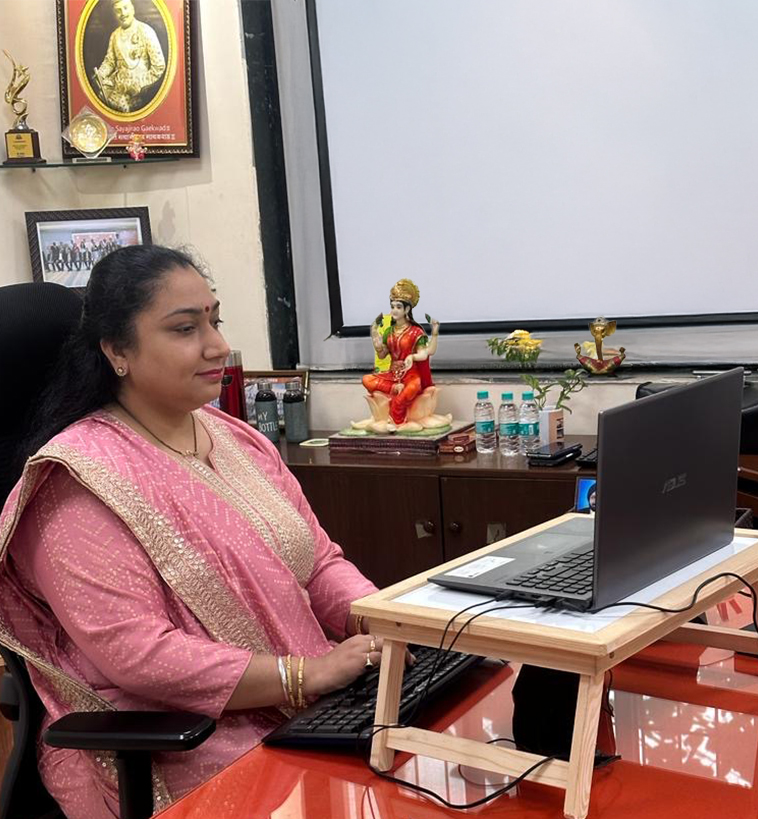


“Last night, I saw a dream.”
The moment I casually mentioned this to a friend, I felt as her eyes widened, her curiosity immediately piqued. She held my hand , puzzled, and without missing a beat, asked, “Wait, you saw a dream? But… how is that possible? Can you really see things in your dreams?”
This is a question I’ve encountered more times than I can count. Many people are genuinely curious about how a visually impaired person like me experiences dreams. And I get it—the idea that someone without sight could still “see” in their sleep seems almost magical to them. But it’s not as miraculous as you might think.
Let me Explain.
As someone who is 100% blind, I don’t experience the visual elements of dreams the way sighted people do. There are no vivid images of people, places, or colors filling my dreamscape. Instead, my dreams are filled with sensations—sounds, textures, emotions, and sometimes even smells. My mind reconstructs the world in my dreams the same way I navigate it while awake. I feel my way through it.
So when I say I had a dream, it’s not that I suddenly gained the ability to see with my eyes in that dream world. Instead, my mind taps into my other senses, just as it does in my waking life. For instance, if I dream about a conversation, I don’t “see” the person talking, but I hear their voice. If I dream about walking through a park, I don’t see the trees, but I feel the breeze, smell the fresh grass, and hear the rustle of leaves.
People often wonder if blind individuals dream differently depending on whether they lost their sight later in life or were born without vision. Those who had sight before may still retain some visual elements in their dreams because their brain remembers what things used to look like. But for someone like me, who has been blind for as long as I can remember, my dreams are entirely shaped by non-visual cues.
What’s fascinating is that dreams aren’t necessarily about replicating real-life experiences—they’re often symbolic and emotionally driven. So, my dreams can be as strange and surreal as anyone else’s. I might find myself flying, having conversations with people I’ve never met, or navigating completely unfamiliar spaces. The difference is that I experience these moments through feelings and sounds, not visuals.
Dreams are part of the human experience, and yes, that includes blind people. While I may not “see” in the traditional sense, I still dream vividly, fully immersed in the sensations my mind creates. So, when you ask me if I dream, the answer is a resounding yes—but it’s not about seeing. It’s about sensing, feeling, and experiencing the world, even when my eyes are closed.
Next time you hear someone say, “I had the strangest dream last night,” remember that no matter our abilities or limitations, dreams are universal. We all have our own unique ways of experiencing them—mine just happens to rely on a different set of senses.